

For three years, people told us they liked the elephant. Then they asked what Artie does.
Today, Artie has a new brand. The elephant stayed and everything else changed.
Artie reads every change from your production database and keeps a live copy in your warehouse, lake, or Kafka topic, with no infrastructure to manage. Before Artie, momoGood's warehouse fell a full day behind on New Year's Eve, its biggest sending day, and the invoices that went out were wrong. With every change landing in under a minute, billing has been right on the first invoice since.
Substack cut latency by 98 percent, from an hour to under a minute, and A/B test results now show up while the test is still running. When replication stalls, ClickUp recovers in minutes instead of hours, and its personalized outbound campaigns run on data that's under a minute old.
The words on our old site said that. The brand didn't. The illustrations were pipes and the wordmark looked like every other tool’s. You had to read the copy to find out what any of it was for. We build pipelines and we cut replication lag, and we’ll keep talking about both. But they're what we do, not what you get. What momoGood got was a correct invoice. What Substack got was a live subscription count. We said we were better under the hood, but from the outside you couldn't tell.
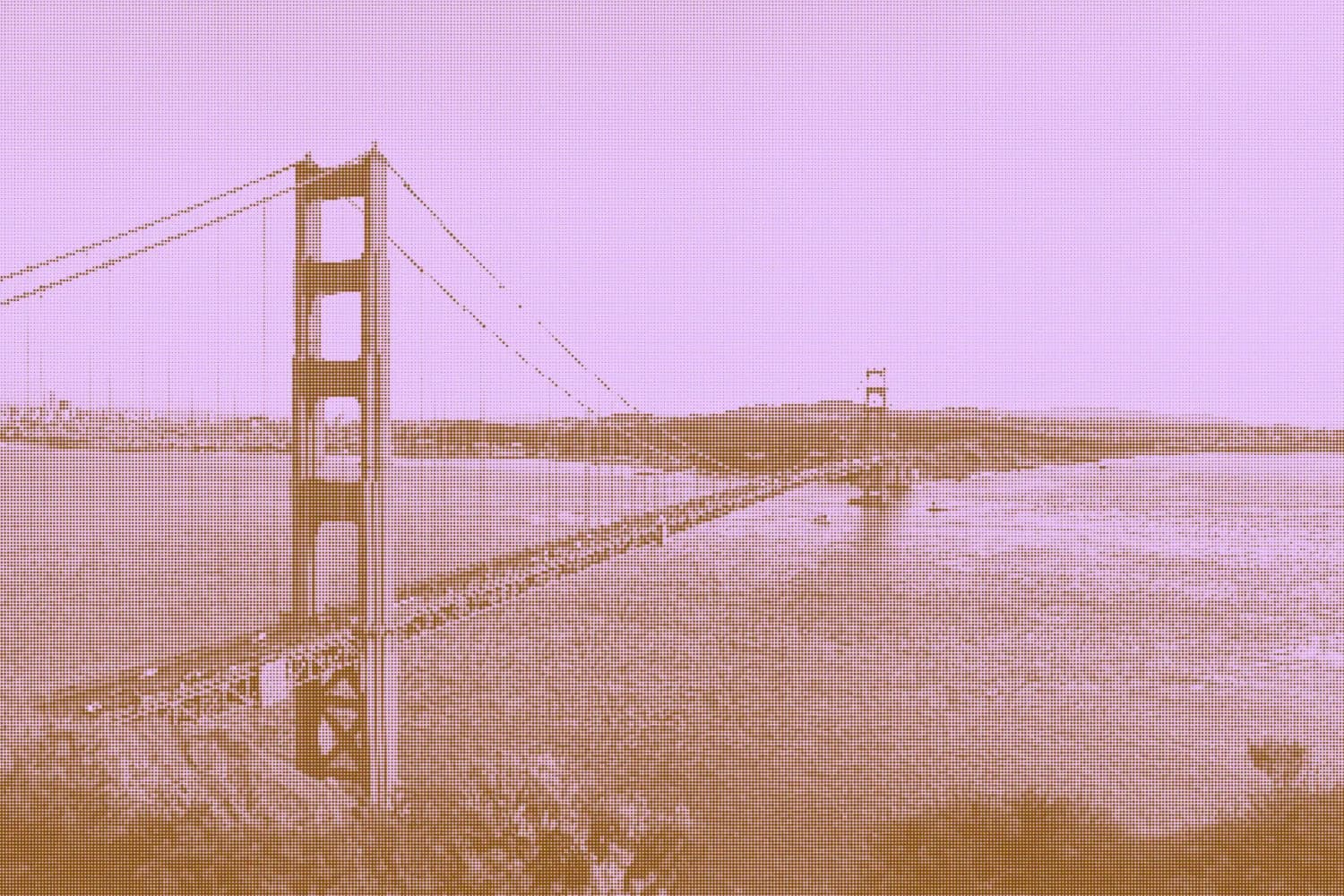
The new system starts with two shapes. Circles are 0s, rectangles are 1s. When they move, they sort themselves into a photograph. That's what Artie does with data: it turns a stream of raw changes into tables you can query and build on. Now the brand can show that instead of explaining it.
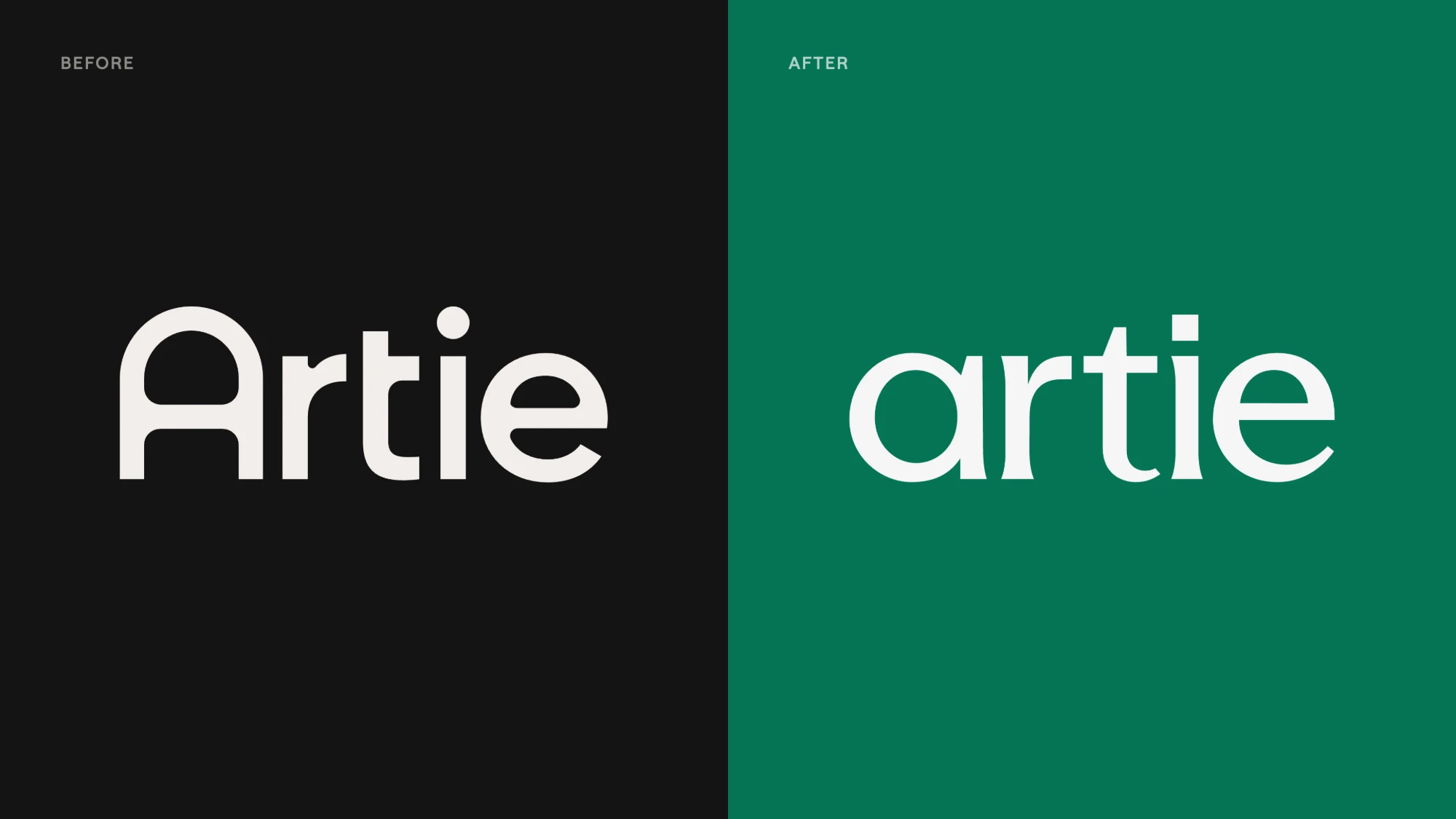
The wordmark is lowercase because we type the name more than we say it. It lives in config files, MCP server names, and log lines. A name that lives in code should look like one. Lowercase says it's the thing you'd type. The serif says it was made with care. We wanted both.
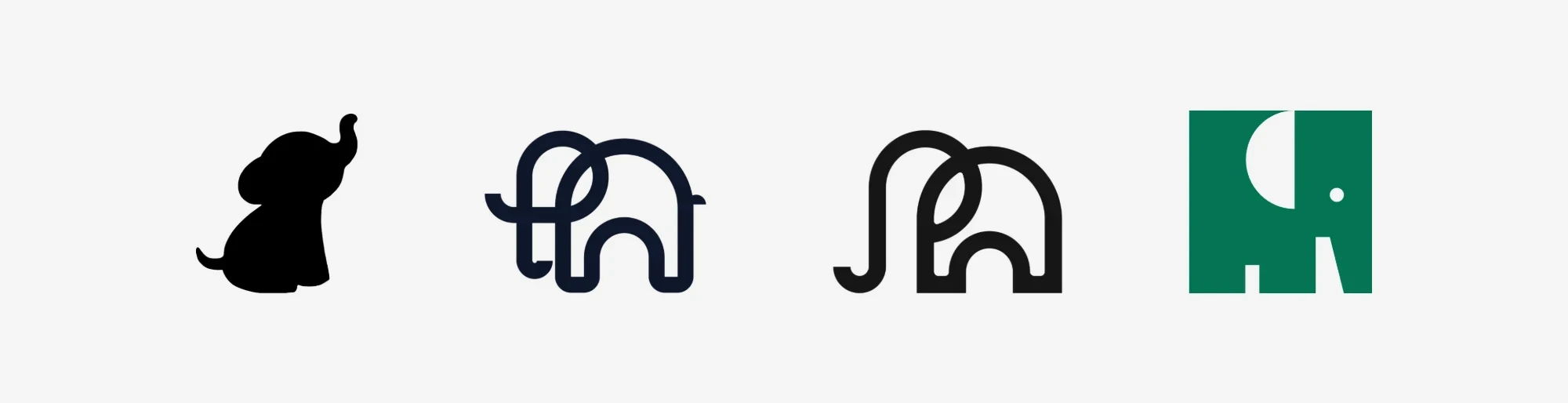
The first Artie logo was a baby elephant. I’d meant to get it as a tattoo, but then I chickened out. When we needed a logo for Y Combinator in 2023, I figured if it wasn’t going on my arm, it could go on a company.
People ask if Postgres inspired it. Postgres is the reason it stayed.
For its first 18 years, Postgres had no clean way to tell you what changed. You polled tables for timestamps and missed every delete, or put triggers on every table and paid in load and storage. Then in 2014, Postgres 9.4 shipped logical decoding and replication slots, and it could stream row-level changes straight from the WAL. Every CDC tool that reads the Postgres WAL today, Artie included, exists because of that release.
Postgres picked an elephant because elephants never forget. Artie exists because Postgres remembers every change in the WAL, and we read it. That's the product in one animal. It was never going anywhere.
We redrew the elephant on a grid, so it holds up as a favicon and on a wall. That's the only thing we did to it.
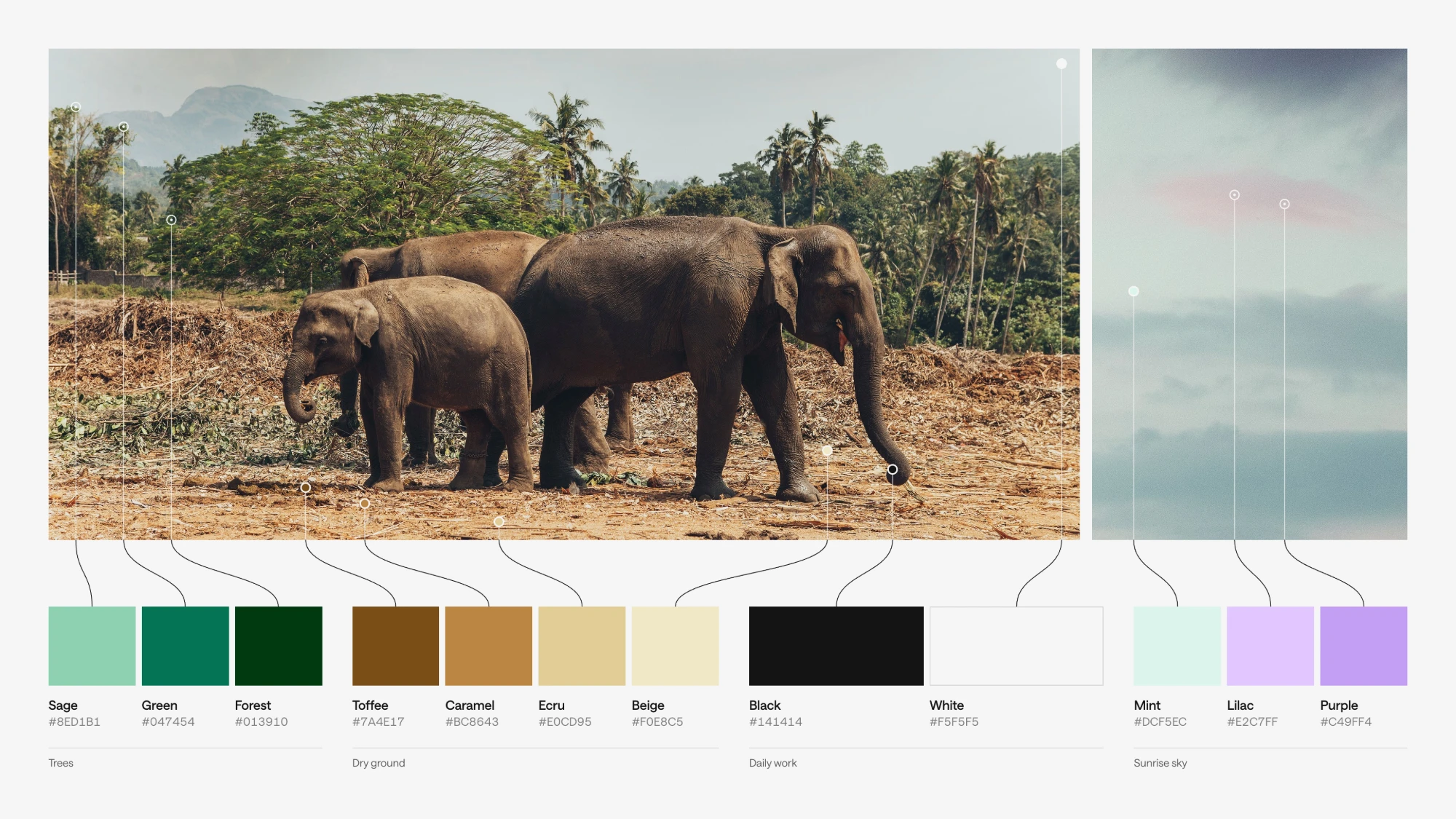
The palette comes from where elephants live: greens, beiges, and browns from the ground, and a purple inspired by the sky at sunrise. Robin Tang, my co-founder and CTO, had one rule: the colors should exist in daylight. Artie runs 24/7 behind customers such as Polymarket, Firecrawl, and Alloy. It shouldn't look like something that only exists on a monitor at 2am.
If you’re a customer, nothing about your pipelines changes. Your data keeps arriving in under a minute, and the elephant is still there in the top-left corner of your dashboard.
We rebuilt the brand around the one part that never forgets.
Identity by Base Design.
